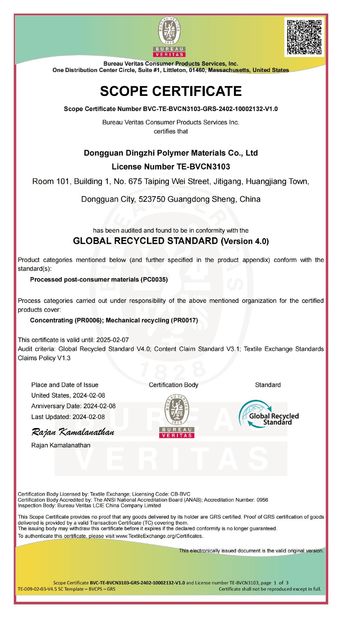
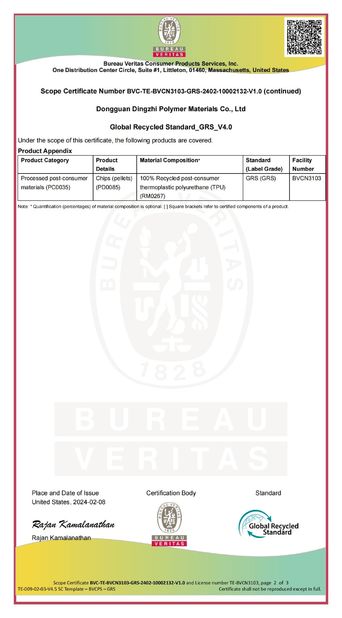
Imagine a material that combines the elasticity of rubber with the moldability of plastic, capable of meeting demanding applications ranging from automotive components to athletic shoe soles. Thermoplastic polyurethane (TPU) is precisely such a high-performance elastomer, playing an indispensable role in modern industry through its exceptional physical and chemical properties.
Definition and Basic Composition
Thermoplastic polyurethane (TPU or TPE-U) is a linear polymer formed by connecting polyols and isocyanates through urethane bonds. As a member of the thermoplastic elastomer (TPE) family, TPU exhibits rubber-like elasticity at room temperature but softens when heated for molding, regaining its elasticity upon cooling. This reversible physical property allows TPU to be processed like plastic through methods such as injection molding, extrusion, and blow molding, enabling the production of products in various shapes and sizes.
The molecular structure of TPU consists of soft segments and hard segments. Soft segments, typically composed of polyester or polyether polyols, provide elasticity, flexibility, and low-temperature performance. Hard segments, formed by isocyanates and chain extenders, deliver strength, hardness, and heat resistance. By adjusting the ratio of soft to hard segments and the types of raw materials used, TPU's various properties can be customized to meet different application requirements.
Types and Characteristics of TPU
Based on the polyols used, TPU can be categorized into polyester-based and polyether-based types. There are also specialized TPU varieties, including polycaprolactone-based and polycarbonate-based TPU.
-
Polyester-based TPU: Offers excellent oil resistance, abrasion resistance, and high strength, particularly in resisting mineral oils and wear. However, its hydrolysis resistance is relatively poor, making it susceptible to degradation in humid environments.
-
Polyether-based TPU: Features good low-temperature resistance and hydrolysis resistance. It maintains flexibility even in cold environments without becoming brittle. Polyether-based TPU also demonstrates strong resistance to microorganisms.
-
Specialized TPU: Polycaprolactone-based TPU combines the advantages of both polyester and polyether types, offering good oil resistance, hydrolysis resistance, and low-temperature performance. Polycarbonate-based TPU excels in weather resistance and UV protection, making it suitable for outdoor applications.
Key Properties of TPU:
-
High elasticity and flexibility
-
Exceptional strength and abrasion resistance
-
Oil and chemical resistance (particularly polyester-based types)
-
Weather and UV resistance (especially polycarbonate-based types)
-
Processability through various plastic manufacturing methods
-
Biocompatibility (certain medical-grade types)
Physical Properties
TPU's physical properties can be customized by adjusting the soft/hard segment ratio and raw material selection. Common performance metrics include:
-
Hardness: Measured on the Shore scale (typically Shore A 60 to Shore D 80)
-
Tensile strength: Maximum stress TPU can withstand when stretched
-
Tear strength: Resistance to tearing forces
-
Elongation: Percentage stretch at break point
-
Abrasion resistance: Wear durability
-
Rebound resilience: Ability to return to original shape after deformation
Chemical Stability
TPU's chemical resistance varies by type and environment. Generally, it demonstrates good resistance to:
-
Aliphatic hydrocarbons (propane, butane, heavy gasoline)
-
Mineral oils and lubricants
-
Water (below 50°C)
-
Ozone and aging
However, TPU shows weaker resistance to:
-
Esters, ethers, ketones, alcohols, and glycols
-
Hot water, steam, acids, bases, and amines
Applications
TPU's exceptional properties enable widespread use across industries:
-
Automotive: Seals, membranes, shock absorbers, cable sheaths, interior components
-
Wire & cable: Power/communication cables, control cables, hydraulic hoses
-
Industrial: Conveyor belts, gaskets, rings, handles, damping elements
-
Sports/leisure: Athletic footwear, ski boots, surfboard edges, shoe soles
-
Medical: Catheters, tubing, films, implants
-
Footwear: Soles, uppers, cushioning components
-
Other: Films, toys, animal ear tags
Processing Methods
TPU can be manufactured through various plastic processing techniques:
-
Injection molding: For complex-shaped, high-volume production
-
Extrusion: Producing continuous profiles (tubes, rods, films)
-
Blow molding: Creating hollow products (bottles, containers)
-
Calendering: Manufacturing large-area films/sheets
-
Thermoforming: Producing shells, trays, liners from sheets
Future Trends
TPU development focuses on several key directions:
-
Enhanced performance: Higher strength, wear/heat/chemical resistance
-
Functionalization: Adding antimicrobial, antistatic, conductive, or flame-retardant properties
-
Biodegradability: Environmentally friendly alternatives
-
Smart materials: Integrating sensors and electronics
-
Nanotechnology: Incorporating nanomaterials to enhance properties
Conclusion
As a high-performance elastomer, thermoplastic polyurethane continues to grow in industrial importance due to its exceptional properties. With ongoing technological advancements and expanding applications, TPU's future appears bright, promising to deliver greater convenience and innovation across multiple sectors.
Safety Considerations:
-
Ensure proper ventilation during TPU processing
-
Dispose of TPU waste appropriately to prevent environmental contamination
Industry Standards:
-
ISO 4892-2:2013 (Plastics - Exposure to laboratory light sources)
-
ASTM D412-16 (Standard test methods for vulcanized rubber and thermoplastic elastomers)
-
GB/T 1040.3-2006 (Plastics - Determination of tensile properties)


 پیام شما باید بین 20 تا 3000 کاراکتر باشد!
 Persian