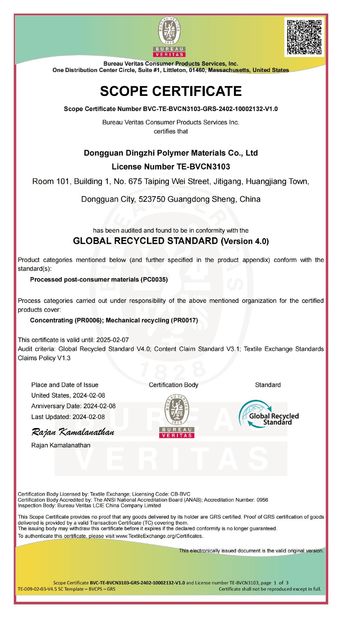
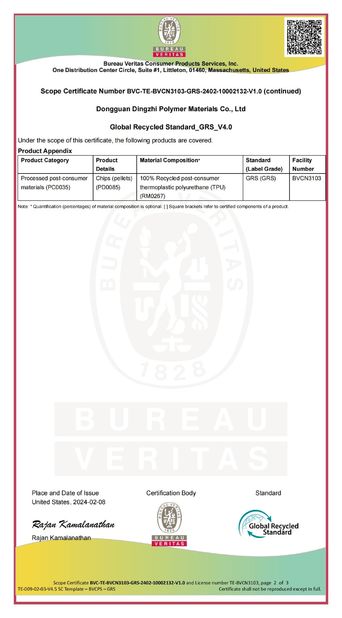
In an era where environmental responsibility has become imperative for business survival, thermoplastic polyurethane (TPU) emerges as a material that bridges performance with sustainability. This versatile elastomer, positioned between rubber and plastic, offers companies across multiple industries a pathway to achieve their environmental, social, and governance (ESG) objectives while maintaining product excellence.
Environmental Advantages That Redefine Material Science
Circular Economy Enabler
TPU's recyclability sets it apart from conventional plastics. Unlike traditional materials that contribute to landfill waste, TPU products can be efficiently recovered through physical or chemical methods. This closed-loop capability reduces dependence on virgin resources while minimizing environmental pollution—a critical advantage as extended producer responsibility regulations gain global traction.
Carbon Footprint Reduction
The production process for TPU typically requires less energy compared to alternative materials, resulting in lower greenhouse gas emissions. For companies committed to carbon neutrality targets, incorporating TPU into manufacturing processes represents a tangible step toward decarbonization.
Health and Safety Benefits
TPU's chemical composition eliminates the need for hazardous additives commonly found in other polymers:
-
Phthalate-free formulation:
Unlike PVC which requires plasticizers with potential endocrine-disrupting effects, TPU maintains flexibility without compromising safety
-
Reduced environmental toxicity:
The material's stability minimizes leaching risks during product use and disposal
Performance Characteristics That Enhance Sustainability
Extended Product Lifespans
TPU's exceptional durability—including resistance to abrasion, chemicals, and UV radiation—translates to longer-lasting products. This inherent longevity reduces replacement frequency, conserving resources while offering consumers better value.
Medical-Grade Applications
Specialized TPU formulations demonstrate biocompatibility suitable for implantable devices and medical equipment. This has enabled advancements in healthcare technology while meeting stringent safety standards.
Industry-Specific Applications Driving Change
Footwear Innovation
Leading athletic brands increasingly utilize TPU for outsoles and components, combining performance characteristics with post-consumer recyclability programs.
Automotive Advancements
TPU contributes to vehicle lightweighting strategies, improving fuel efficiency in internal combustion engines and extending range for electric vehicles through weight reduction in components like seals and cable insulation.
Wire and Cable Solutions
As halogen-free alternatives to PVC, TPU-based insulations provide enhanced safety through reduced toxic emissions during combustion events while maintaining durability in harsh environments.
Case Study: Smart Manufacturing in Medical TPU Production
Taiwan-based ICP DAS – BMP has implemented industrial IoT technologies to optimize its medical-grade TPU manufacturing. Real-time monitoring of production parameters ensures consistent quality while reducing material waste—demonstrating how digital transformation can amplify TPU's sustainability advantages.
The convergence of TPU's material properties with growing ESG imperatives creates compelling opportunities for forward-thinking enterprises. As regulatory pressures intensify and consumer preferences shift toward sustainable products, this advanced elastomer provides a viable solution for businesses seeking to align profitability with planetary responsibility.


 پیام شما باید بین 20 تا 3000 کاراکتر باشد!
 Persian